for the hobbyist · no login needed
Be the player you always wanted to be.
Bring any recording you love. Close the distance to it, bar by bar.
in the demo, watch it measure your distance, bar by bar
a minute · nothing to install
note by note ■ the master · ■ you
on the score
the singing line · the tune, struck a touch firmer
real output from the demo take · tap to try
Pick your piece.
Pick one — come back for the other.
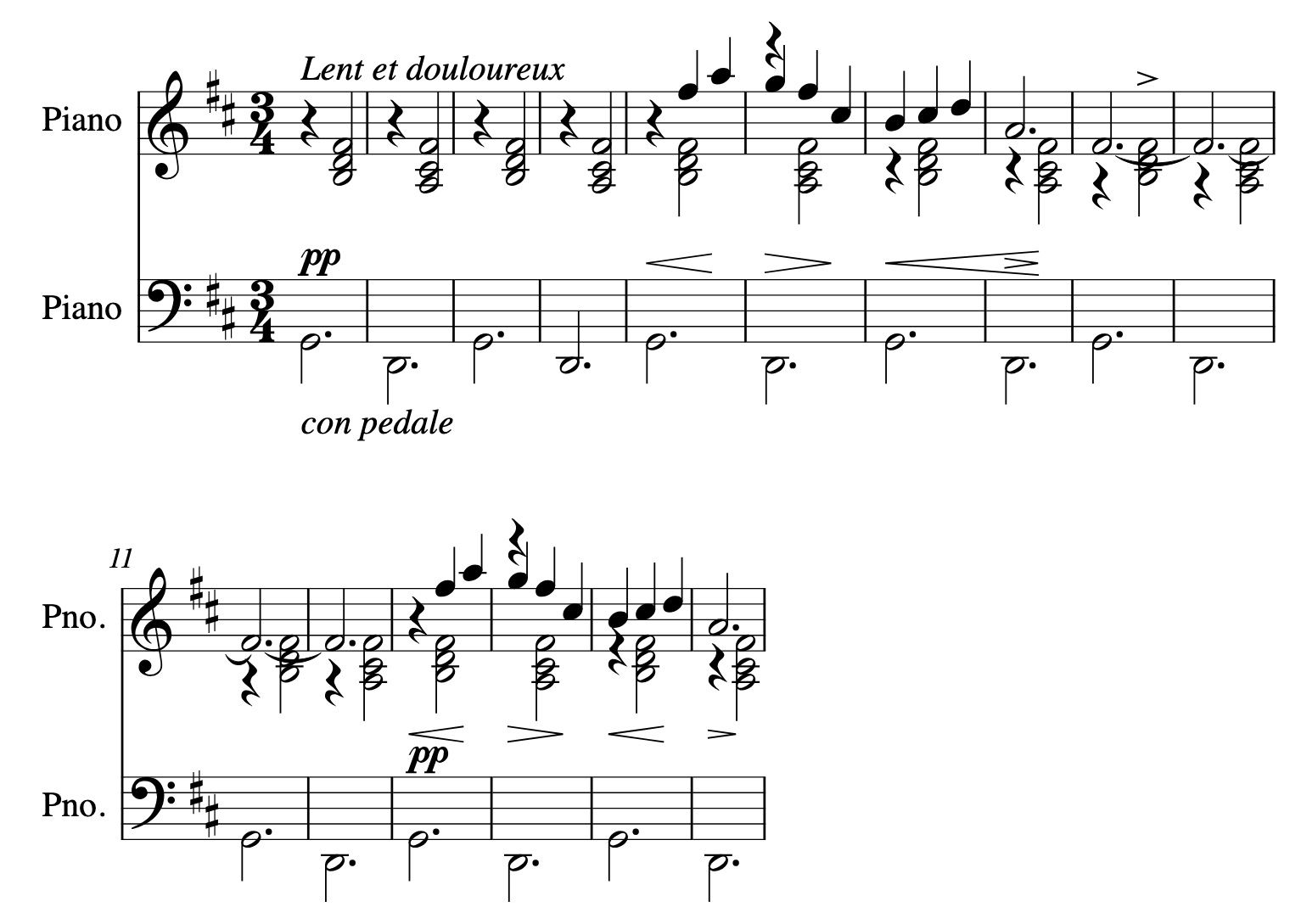
a gentle start
lent — slow, in 3/4
Satie — Gymnopédie No. 1
the deep end
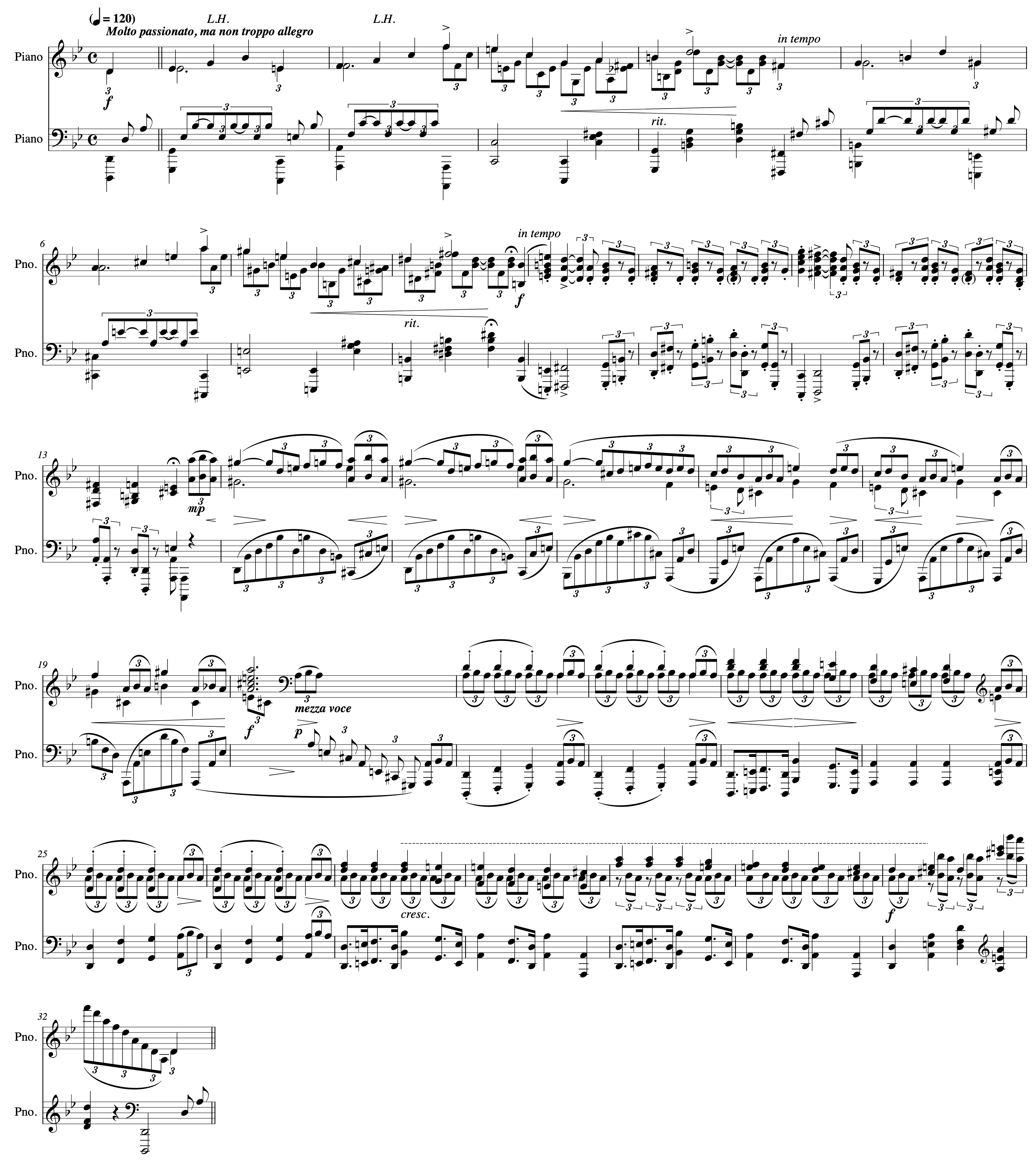
passionato — stormy, in 4/4
▶ watch the demo
Brahms — Rhapsody in G minor
Pick a sound to chase.
demo · a stand-in plays for you — not your mic
whenever you're ready — just play.
no count-in, no clock — the quiet gets trimmed.
in the demo, the stand-in begins on its own.
getting quiet.
your take
not done? just play again.
the room keeps only your latest.
got it.
listening back…
how do you want to play it?
Now record your take.
The take beside ’s, note by note. yours · theirs.
chasing ·
demo · a stand-in plays for you — not your mic
WHERE SHOULD THE COUNT-IN DROP YOU?
we’ll count you in right at — no run-up.
a few notes to tune, a count-in, then plays — then the AI reads it
quick tune-up, a count-in, then it plays.
a few notes to set us to your room
play a few notes on your piano — I’m listening to your room and your sound
we’re hearing your piano now — this stays on your device
we tap them for you in the demo
Ready when you are.
Place your device near the piano so it can hear you. When you’re set, tap Record — you’ll get a four-beat count-in, then play the bars you picked. Take your time; a little slower is fine — we line up from your first note. Tap Stop when you’re done.
▸ counting you in
▸ counting the stand-in in
you come in on 1 — at
the stand-in comes in on 1 — no mic, this is the demo
just a count to bring you in — nothing plays over you
take your time — start when you’re ready. I’ll trim the quiet before your first note.
what you're hearing is a sample take standing in for you — in the app this is your own playing, live through the mic.
Here's your take.
Here's the stand-in take.
Reading your take, against …
tracing the shape of what you played — a moment
the read-back · you vs ·
see where you differ — the score and the roll are the map. the moments below hold the detail, in your bars only.
your score · Brahms Op. 79 No. 2 — the opening (Molto passionato) — the playhead tracks the recording
the payoff · only you can see this
Drag the time machine. One player, three takes.
The opening — bars 1–16 — one young player, three real takes months apart, on one shared grid — three real takes, months apart; they just kept going. This is where the tune learns to sing over the murmur.
time machine · the opening · bars 1–16 · real takes
The opening, three takes.
Not the whole piece — just the tune against the murmur: buried at first, singing clear by the third.
that was the whole demo
A sample take stood in for you. Next time, it’s your piano.
Play those bars again and the read-back re-reads the same spots — you watch the pins move take by take. And the more you bring — recordings you love, your own takes — the sharper the read.
for the one who helps · on any phone
You don't read music. You still know what to say.
Record them — you’ll have words for the bench (your teacher’s own, when they have one), and the music sinks in as you guide.
in the demo, watch it mark the bars they skipped
two minutes · a sample take stands in
coming soon
Accompany
For the one who helps — a parent at the bench who can’t read music. We turn your care into the right words to say.
see the demoThe demo piece.
the helper’s demo — nothing to record.
the gentle opening
lent — tender, in 3/4
▶ watch the demo
Satie — Gymnopédie No. 1
Satie — Gymnopédie No. 1the demo · the first 16 bars
Choose the part to play.
1choose a recording — tap one to hear how they play it
Khatia Buniatishvili
calm & hushed — soft and far-away
Chase her for that calm, dreamy wash — the tune floating soft and far-away over the slow left hand.
tap a bar to hear from there
✓ chasing this · tap to replaytap to hear & chase →
Pascal Rogé
tender & clear — the classic, singing line
Chase him for that clear, songful line — the melody carried plainly, like a song sung simply.
tap a bar to hear from there
✓ chasing this · tap to replaytap to hear & chase →
your recording
their teacher, a master, or you
Bring the sound you're chasing — it's heard right on this device.
2choose a section to chase — the demo = their opening, bars 1–16
have a recording already?
Chase specific bars
Pick a phrase and dig in — every note of it, them against the master.
pick the bars →
The whole part
Every bar of their opening — walked one moment at a time.
walk it →
their bars wear their colors — green = with the recording · amber = near it · red = far from it · brighter = closer to the master · dark = missed or wrong notes (drawn dashed) · each shaded block is a phrase — carved along the piece's own breaths (the fermatas, the dynamics). the demo is bars 1–16 — log in to roam and practice the whole piece.
tap a phrase and the record step opens on those bars — the demo records their whole opening; the picked bars are where the words open first
demo · a stand-in plays for them — not a live mic
whenever they're ready — just play.
no count-in, no clock — the quiet gets trimmed.
in the demo, the stand-in begins on its own.
got it.
getting quiet.
their take
not done? just play again.
the room keeps only their latest.
listening back…
Record them. You get the words — and learn the music.
demo · a stand-in plays for them — not a live mic
This is where you’d record them.
Tap ● to see it — a sample take plays in their place.
ready to record them for real?
tuning to their piano
A few notes set us to their piano and room, so we hear them fairly. In the demo we tap them for you.
get ready
Recording…
Listening back, against the recording you picked…
the words + the why · their opening bars
that was your first recording — the next ones open with an account
A sample take stood in. Next time, it’s someone you love.
for studios · in person or online · families join with your code
Your studio, all week long.
You record the piece. Your students play toward it all week, and the parent at the piano gets the words to say — the teaching stays yours.
in the demo, watch it hold the whole week at a glance
about six minutes · a sample studio stands in
note by note ■ the teacher · ■ the student
on the score
the singing line · the tune, struck a touch firmer
real output from the demo studio · tap to see
coming soon
Studio
For teachers and their students — the teacher’s own playing is the reference, held beside the student’s, all week long.
see the demoThe demo piece.
the studio’s demo — nothing to set up.
the practice room
Emma, week 3 — beside her teacher’s recording
▶ watch the demo
Brahms — Rhapsody in G minor
six students · one is real — her three recordings measured bar by bar. Yours opens when you log in.
studio code · share with your class
tap the fork to hear your studio's note — students hear it ring back
your recordings · what your students play toward
This is a quick demo, running on a sample Brahms recording. In your own studio this is where you’d record or upload your own takes — it’s ready the moment you log in.
your week · next lesson first
In your own studio you’d add your students here and a personal code appears for each. This demo comes with three already set up.
Each student gets a personal code — they enter it once and their name is already waiting. One more code goes to the person who sits beside them at home — Accompany, with yours.
assign & coach
Pick the bars from your recording, then leave the coaching. We show them the gap — the words here are yours.
pick the song — measured bar by bar
each section, week by week — the newest take opens the room
every take she sent — measured bar by bar · pick one to open the room
the practice room · your student · exactly as they see it, all week
This is them — beside you.
Una Corda lays their’s take beside your recording, looping the bars they’re working. The coaching stays yours.
Ms. Bell
them
You recorded this once. They loop it every day. You’re with them, even when you can’t be.
step 1 of 2
Enter your teacher's code.
Your teacher shares one code with the whole class — it's on your lesson note, or in a text from them.
We couldn't find that code. Double-check it with your teacher.
demo studio code · BELL-7K2
step 2 of 2
Now your personal code.
This one's just for you. Your name is already on Ms. Bell's roster — enter it and it'll pop up.
That code isn't on the roster yet — ask your teacher to add you.
· your bars + Ms. Bell’s notes, this week
the demo follows the opening — bars 1–16 · reference recordings don’t play in the demo; the analysis is real
opens the recording flow — a sample take stands in, and you can skip straight to the read-back
get ready — this is where you’d play
recording — a sample take stands in for your playing. Sound on.
your take, mirrored against Ms. Bell
YOU
MS. BELL
where you are
that was the demo · no login needed
your practice
Welcome back.
Any recording you love is the target — every take closes the distance.
you’re in the demo · a sample song stands in
pick up where you left off
chasing
do your first recording
pick the recording you’re chasing, then play your take
start here
Add your first song.
pick a piece, or bring a recording you love
the one you help
Their song
Who are you helping?
Where are they on the road?
“the very first weeks — still finding the keys.”
How do you talk about music?
“a few notes wobble, then find their feet.”
three people · three songs each — kept on this device
for the one you help
Add your first song to start.
Name it once. From the first sitting, the picture builds.
have a teacher’s code? · have a file? ·
Their teacher’s code.
Ask their teacher for an accompanying-person invitation. Sign in to your own account to see the student’s assignments, shared recordings, and feedback.
your library
Your songs
· your practice · just you
the room can stay open.
play like no one’s listening — the room keeps the evening, not the sound. kept on this page, let go when the lid shuts. the first open can take a minute.
Which door is yours?
you can walk through the others any time — this just sets where you land
Make it yours.
Where are you on the road?
“the first weeks — finding my way around the keys.”
How does practice happen?
What pulls you in? tap any
first — tune to your piano
Let's tune our ears to your piano.
Una Corda listens through your mic. A few seconds of your room — then a few notes — lets it hear the difference honestly, on your instrument, in your space.
we only listen while this is open · nothing is stored
calibrating
Calibrated.
Keep your practice.
Keep your takes. Watch a song come together over weeks.
Couldn’t complete sign-in. Check the Auth0 settings and try again.